Gut Microbiome–Pomegranate Partnership Reduces Colitis

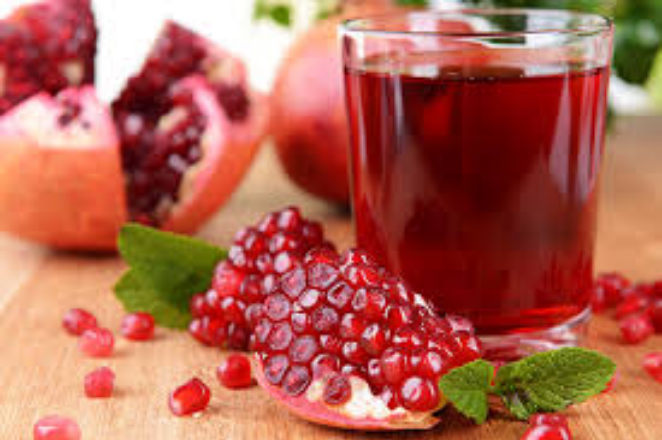
I drink Organic Pomegranate Juice from Trader Joe’s (mixed into a daily smoothie). More on the smoothie later…

https://www.genengnews.com/news/gut-microbiome-pomegranate-partnership-reduces-colitis-in-mice/

Diets containing berries and pomegranates are believed to have potentially manifold benefits to human health, and scientists in India and the U.S. have now demonstrated in mice how one pomegranate-derived metabolite that is produced by microorganisms residing naturally in the gut can help to protect against and reduce the severity of inflammatory bowel disease (IBD). The studies, by researchers at the Institute of Stem Cell Biology and Regenerative Medicine (inStem) in Bangalore, and the University of Louisville, showed that the pomegranate polyphenol-derived metabolite Urolithin (UroA), and a synthetic UroA analog UAS03, both effectively reduced inflammation and restored gut barrier integrity in the mouse models.

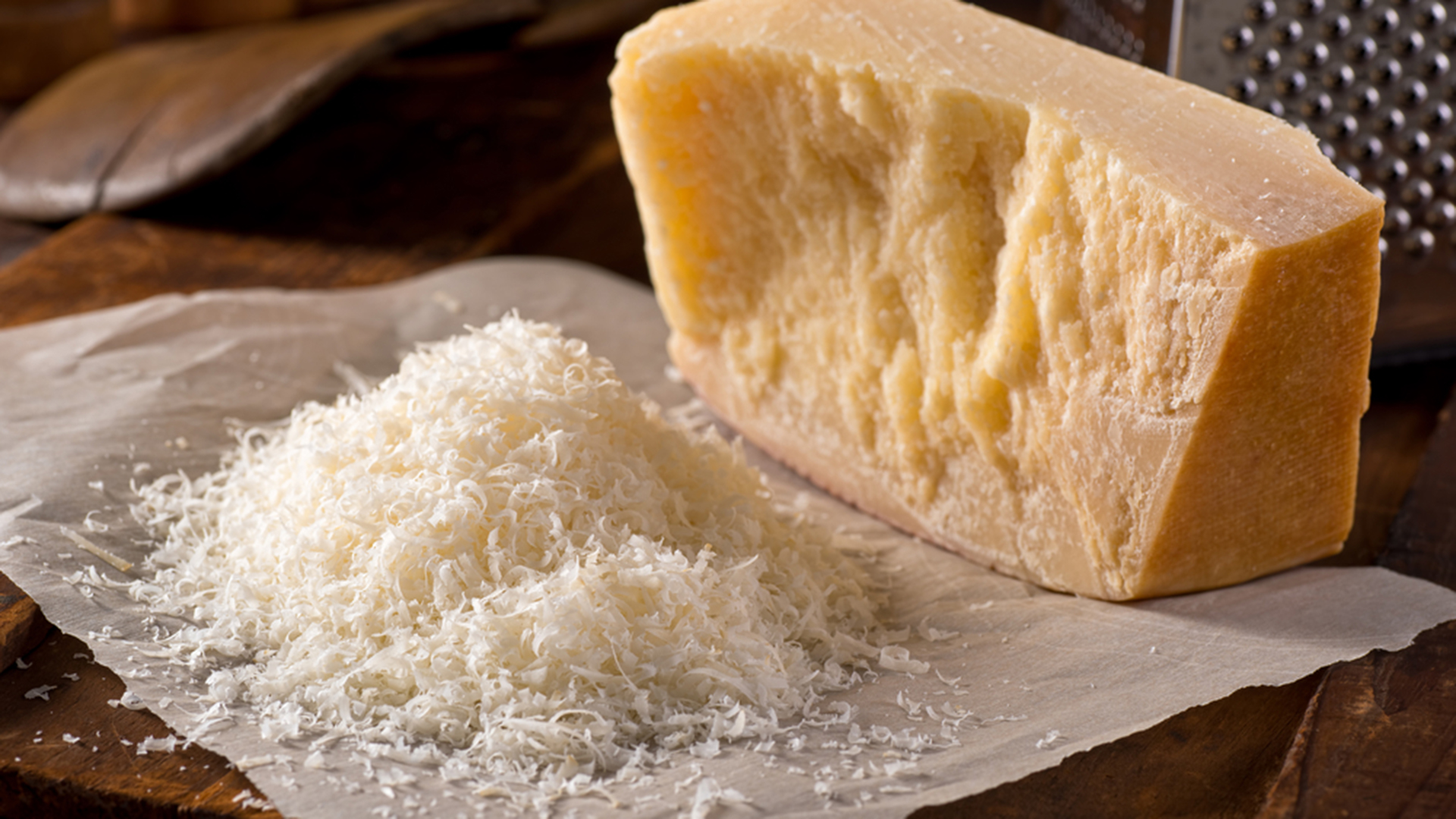
Reggiano Cheese

I buy Reggiano at Trader Joe’s (in block and grated form). Aged three years.

“Three case histories of nursing infants suffering from different forms of intestinal problems, who underwent special dietary therapy in order to solve situations that would be difficult to deal with using the special artificial milk varieties on the market, are presented. These children were administered a homemade food consisting ofParmigiano Reggiano cheese seasoned for at least 36 months, rice or maize custard and tapioca, sugar, maize oil. In the first case the diagnosis of “widespread nonspecific acute colitis” was made compatible with “antibiotic-associated colitis” and Clostridium difficile was isolated from the feces. The second case, under the suspicion of cow’s milk allergy, was fed by soya and hydrolyzed milk with persitent disturbed alvus with greenish feces and mucus. The third case was represented by a nursing child with persistent diarrhoic alvus after an acute episode with subsequent intolerance to rice milk. After the introduction of the food based on Parmigiano Reggiano cheese, all cases showed a rapid and progressive improvement of symptoms and alvus characteristics and were discharged with increased weight. The Parmigiano Reggiano cheese shows a high concentration of easily absorbed amino acids and oligopeptides like a hydrolyzed proteic preparation. As regards the lipoid component the medium and short chain fatty acids are directly absorbed in the bowel and immediately usable as a significant source of energy. Finally, another relevant characteristic of Parmigiano Reggiano cheese is the complete absence of lactose. The use of Parmigiano Reggiano cheese as a dietary therapy is appropriate not only for its high nutritional value, but also for its characteristics as a functional food that produces beneficial effects on health with regards to the gastrointestinal tract and the inflammatory problems resulting from alimentary intolerance, post-therapeutic antibiotic dismicrobism, or post-infective conditions. Moreover, its efficay on these pathologic conditions is further improved by the prebiotic and probiotic effects resulting from the oligosaccharides and the bacterial flora of this natural food product, only derived from the nature and the work of skilled artisans closely tied to tradition.”

https://www.ncbi.nlm.nih.gov/pubmed/18788512

“Blueberries counteract intestinal diseases”

The project originated as an attempt to see whether various types of dietary fibre and health-promoting bacteria, so-called probiotic bacteria such as lactobacillus and bifidobacteria, can help alleviate and prevent the risk of ulcerative colitis and colorectal cancer.

“But new knowledge of this field is also of interest to those who don’t believe they run the risk of developing any intestinal diseases. In recent years the research world has been realizing that our health is governed to a great extent by what happens in our large intestine,” explain Camilla Bränning, a PhD in Applied Nutrition and Åsa Håkansson, a doctoral candidate in Food Hygiene at the Division of Applied Nutrition and Food Chemistry.

The researchers tested various types of diets of blueberry husks, rye bran and oat bran with or without a mixture of probiotic bacteria. The results showed that the protective effect of blueberries was reinforced if they were eaten together with probiotics.

“The probiotics proved to have a protective effect on the liver, an organ that is often negatively impacted by intestinal inflammations,” explains Åsa Håkansson.

Blueberries are rich in polyphenols, which have an antimicrobial and antioxidative effect. The combination of blueberries and probiotics reduced inflammation-inducing bacteria in the intestine at the same time as the number of health-promoting lactobacilla increased.

Åsa Håkansson and Camilla Bränning also noted that if blueberries are eaten together with probiotics, the content of butyric acid and propionic acid increased in the blood, two substances that are formed when fibre are broken down and that have previously been known to be important energy sources for intestinal cells. In recent years they have also been shown to favourably impact the immune defence. It seems as if the absorption of these components is facilitated by the presence of probiotics.

“What surprised us was that such a large share of the butyric acid not only was taken up by the intestinal cells but was also transported onward to the blood. Previously it was thought that the intestinal cells used all of the butyric acid, but this is not at all the case,” says Camilla Bränning, who recently defended her dissertation on the subject.

“A further explanation for the extremely positive effect of blueberries may be that the blueberry fibre are not degraded to such a high degree in the large intestine. This means that inflammation-inducing substances do not come into contact with the mucous lining of the intestine but are embedded in the fibre instead. Then these substances are transported out of body together with the faeces,” explains Camilla Bränning.

The researchers also found that rye bran was broken down in the large intestine, in the same place that ulcerative colitis and large-intestine cancer often occur, and that the rye bran provided a rich supply of butyric acid and propionic acid. On the other hand, the fibre in oat bran were degraded earlier in the large intestine. The most striking result, however, was that blueberries themselves had such a favourable effect compared with both rye bran and oat bran.

Some 15-20 percent of all Swedes suffer from stomach pains, diarrhoea, or constipation, complaints resulting from intestinal disorders and more undefined intestinal problems. The disease ulcerative colitis is one of the inflammatory intestinal diseases included under the general name IBD, inflammatory bowel diseases. It can lead to colorectal cancer and afflicts about 1,000 Swedes per year.

https://www.sciencedaily.com/releases/2010/02/100208145055.htm
Supplemental Calcium Attenuates the Colitis-Related Increase in Diarrhea, Intestinal Permeability…

Abstract

We have shown in several controlled rat and human infection studies that dietary calcium improves intestinal resistance and strengthens the mucosal barrier. Reinforcement of gut barrier function may alleviate inflammatory bowel disease (IBD). Therefore, we investigated the effect of supplemental calcium on spontaneous colitis development in an experimental rat model of IBD. HLA-B27 transgenic rats were fed a purified high-fat diet containing either a low or high calcium concentration (30 and 120 mmol CaHPO4/kg diet, respectively) for almost 7 wk. Inert chromium EDTA (CrEDTA) was added to the diets to quantify intestinal permeability by measuring urinary CrEDTA excretion. Relative fecal wet weight was determined to quantify diarrhea. Colonic inflammation was determined histologically and by measuring mucosal interleukin (IL)-1β. In addition, colonic mucosal gene expression of individual rats was analyzed using whole-genome microarrays. The calcium diet significantly inhibited the increase in intestinal permeability and diarrhea with time in HLA-B27 rats developing colitis compared with the control transgenic rats. Mucosal IL-1β levels were lower in calcium-fed rats and histological colitis scores tended to be lower (P = 0.08). Supplemental calcium prevented the colitis-induced increase in the expression of extracellular matrix remodeling genes (e.g. matrix metalloproteinases, procollagens, and fibronectin), which was confirmed by quantitative real-time PCR and gelatin zymography. In conclusion, dietary calcium ameliorates several important aspects of colitis severity in HLA-B27 transgenic rats. Reduction of mucosal irritation by luminal components might be part of the mechanism. These results show promise for supplemental calcium as effective adjunct therapy for IBD.

https://academic.oup.com/jn/article/139/8/1525/4670507

Parboiled Germinated Brown Rice?

Abstract

“Parboiled germinated brown rice (PGBR) has been suggested as a functional food because it is relatively rich in a number of nutrients and health promoting compounds. Here we compared the bioaccessibility of several of the bioactive compounds in cooked PGBR and brown rice (BR) by simulating oral, gastric and small intestinal digestion. The uptake and retention of bioactive compounds from a bioaccessible fraction also was determined using Caco-2 human intestinal cells. The anti-inflammatory activity of the bioaccessible fraction from digested BR and PGBR was then assessed with Caco-2 cells that were activated with H2O2 + IL-1β. PGBR had a higher content of GABA, γ-oryzanol, γ-tocotrienol, ferulic acid and p-coumaric acid than BR. The amounts of these compounds transferred to the aqueous fraction during digestion and the quantities accumulated by Caco-2 cells were proportional to those in cooked PGBR and BR. The anti-inflammatory activity of the bioaccessible fraction from digested BR and PGBR was then assessed for Caco-2 cells that were activated with H2O2 + IL-1β. Pre-treatment of the cells with the bioaccessible fractions from PGBR and BR suppressed the secretion of IL-8 and MCP-1 and the ROS content in activated cells. Inhibitory activities were attenuated to a greater extent after cells had been pre-exposed to the bioaccessible fraction from digested PGBR compared to BR. These results suggest that digested PGBR contains and delivers greater amounts of compounds with anti-inflammatory activity to absorptive epithelial cells than digested BR.

https://www.ncbi.nlm.nih.gov/pubmed/25811291

Anti-inflammatory Properties of Curcumin…: A Review of Preclinical and Clinical Research

From: http://www.altmedrev.com/archive/publications/14/2/141.pdf

“…Another clinical trial was conducted to assess the efficacy of curcumin as a maintenance therapy in 82 patients with quiescent UC. Subjects were randomized to receive 1 g curcumin twice daily plus sulfasalazine or mesalamine (n=43), or placebo plus sulfasalazine or mesalamine (n=39) for six months. Subjects were assessed at baseline, every two months for six months, and again at the end of a six-month follow-up period via the Clinical Activity Index (CAI) and Endoscopic Index (EI). Only two of 43 patients (4.7%) receiving curcumin plus sulfasalazine/mesalamine experienced a relapse during the six-month study, compared to eight of 39 subjects (20.5%) in the placebo plus sulfasalazine/ mesalamine group. Subjects in the curcumin group also demonstrated significant improvement in CAI (p=0.038) and EI scores (p=0.001), indicating a de- crease in UC-associated morbidity. Interestingly, at the end of the six-month follow-up period, during which all patients took only sulfasalazine or mesalamine, eight additional patients from the curcumin group relapsed (total of 23.3%) compared to six additional patients in the placebo group (total of 35.9%). The authors concluded that curcumin plus standard therapy was more effective in maintaining remission than placebo plus standard UC treatment.”

Curcumin: an orally bioavailable blocker of TNF and other pro-inflammatory biomarkers

 “Blocker of TNF.” My understanding is that is the objective of Humira and other Biologics.  

https://www.ncbi.nlm.nih.gov/pmc/articles/PMC3753829

“…curcumin appears to be a promising and safe medication for maintaining remission in patients with quiescent UC. These two small studies have shown promising results for IBD. Seventhly, orally administered curcumin was found to have a therapeutic effect against colorectal cancer.”

Managing UC: A Four-Pronged Approach

My research and experience has led me to believe there a few different tracks (or so) for preventing/managing/healing UC. Through nutrition, supplementation, and lifestyle (aside from your prescribed medical regimen, if applicable).

1) Minimize Inflammation.

2) Heal & support the intestinal barrier.

3) Restore and support a healthy microbiome.

4) Support healthy immune function. The goal is to prolong remission periods for as long as possible (indefinitely).

In future posts I’ll delve into my ideas, based on extensive research and experience, of how we can pursue these four prongs.

Design a site like this with WordPress.com
Get started