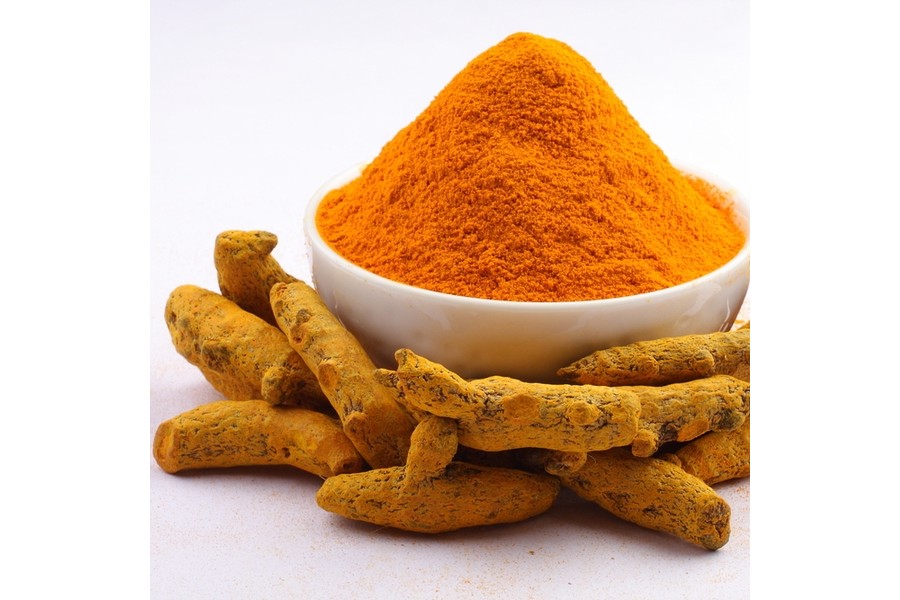
Many years ago, a doctor, “my” gastro. at the time (who I liked, but I’ve moved away since then), suggested I give curcumin a try. Back then, as far as I know, there weren’t different formulations featuring variations intended to maximize delivery (e.g. black pepper, lipids, etc.).
The doctor warned that there might be side effects such as bright yellow urine and even a curry like odor. Still, I went ahead and grabbed a bottle from Whole Foods. After a few days, I did notice the atomic urine and my stomach felt unsettled and -what a shock – after three days I didn’t see any benefits so I stopped taking it.
I can’t remember what prompted me to look into it (curcumin) again a couple of years ago, besides looking to maximize anti-inflammatory food (and possibly, supplement) intake. Now that I’m thinking of it, it may have been prompted by an effort to avoid needing to take a biologic (and Anti-TNF) and while looking for foods that naturally lower TNF (something I don’t know anything about – I’m not a scientist), I learned that curcumin is Anti-TNF.
I then set out to research which type of curcumin would be best for colitis, since now days, there are different formulations (for example some cross the blood brain barrier and might be useful for say, Alzheimer’s and some do not). I also looked into what doses were used in medical studies.
Ultimately, I tried a couple of different kinds and started with the lowest dose at first and built up. The formula I settled on is Meriva which uses a lipid (sunflower oil) as a carrier to help the body absorb the curcumin. Other products use black pepper to increase potency but I read it can’t irritate your stomach. I also found research data indicating that certain formulations are more potent than others. If you refer to the study I linked above, you can see what dosages were used in research studies. Right now I use this and take two in the morning and one around dinner time: https://www.pureencapsulations.com/curcumasorb.html
Remember: I am not a doctor! I’m a colitis patient and this what I do with the knowledge of my doctor. Always ask your doctor before taking anything, including supplement.
What I do know is curcumin can thin your blood and potentially increase potency of meds. It has also been associated with anemia. I became anemic after a flare while taking high doses of curcumin. I don’t know if that was the reason but it’s important to be aware of this potential side effect among others, including kidney stones. I think I even read about someone who died from taking too much curcumin. So with anything med or supplement, proceed with caution and consult your doctor.
Anecdotally, my colitis symptoms seem to have improved (less frequent flares, inflammation more mild overall) since I’ve been taking it (for at least 2 years now). Ask your own doctor if it’s something you want to explore for yourself.
And… a “shout out” to the gastro. from years back who first mentioned curcumin to me. In hindsight, I wish I’d have stuck with it longer than a few days!
The difference though, is back then, there was pretty much just one formula, nothing like Meriva another innovations that we have now, so the body could just not process it well – or make use of it. Now, as numerous legit. evidenced based studies show, such as those that I’ve linked to above, there are different curcumin products that appear promising for various ailments, including colitis.
 The Colitist