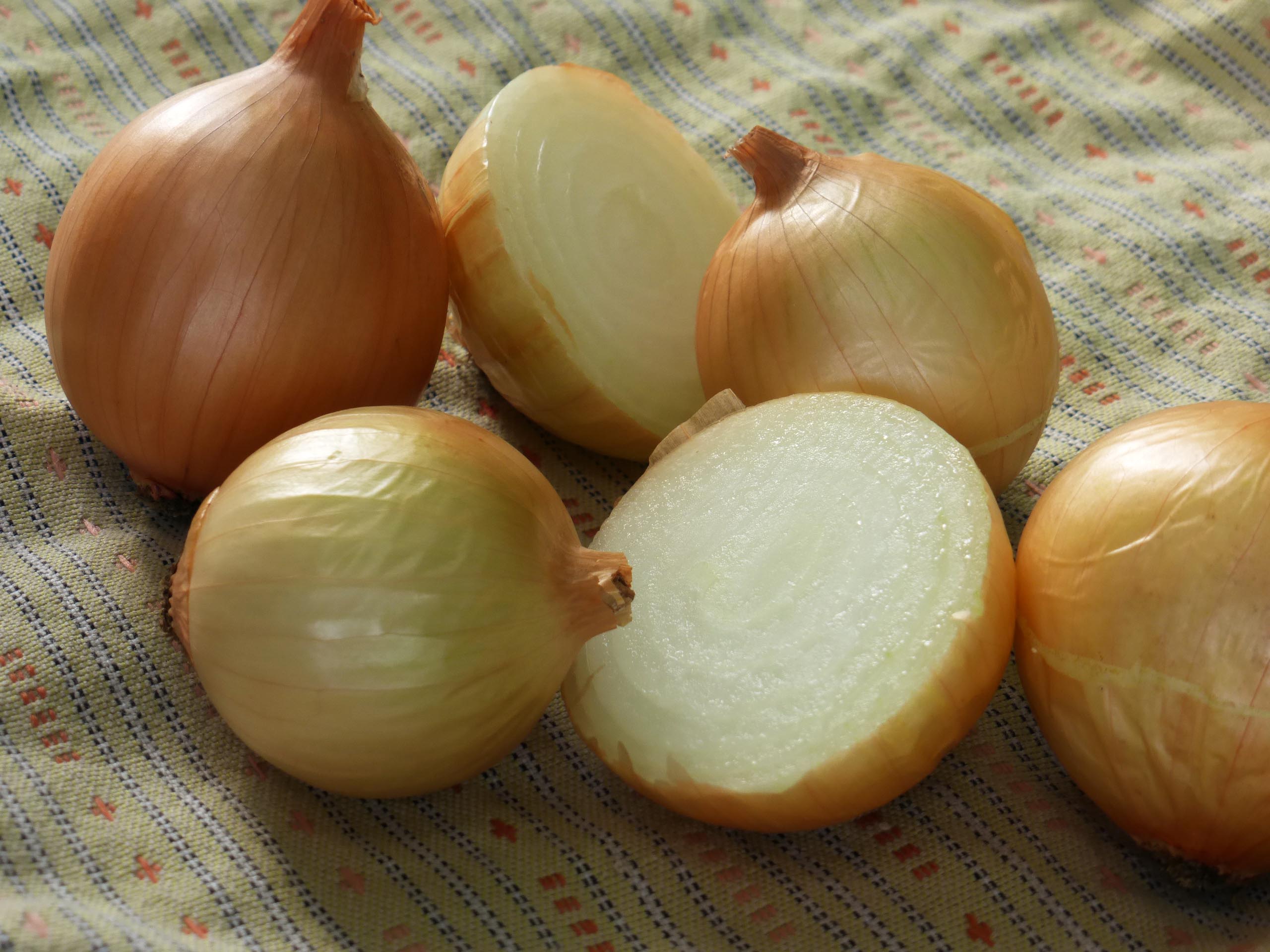
Onion bulb extract reduces colitis severity in mice

“OBE showed anti-inflammatory actions in IBD mouse model, which is attributed, in part, to the modulation of the expression and the activity of important pro-inflammatory molecules and signaling pathways involved in the inflammatory response. These data suggest that OBE may be a promising lead in the therapeutic management of IBD.” https://www.sciencedirect.com/science/article/pii/S0378874119302260?via%3Dihub

Vagus Nerve Stimulation Dramatically Reduces Inflammation

“Vagusstoff (acetylcholine) is like a tranquilizer that you can self-administer simply by taking a few deep breaths with long exhales. Consciously tapping into the power of your vagus nerve can create a state of inner-calm while taming your inflammation reflex.”

https://www.psychologytoday.com/us/blog/the-athletes-way/201607/vagus-nerve-stimulation-dramatically-reduces-inflammation

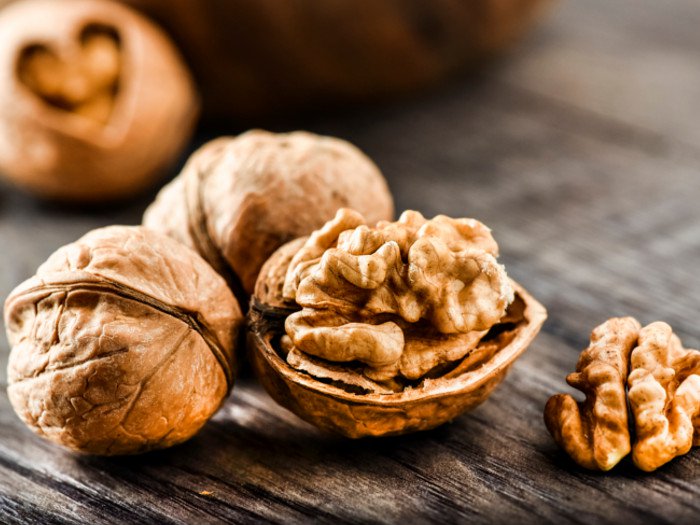
Walnuts may promote health by changing gut bacteria

“We found that walnuts in the diet increased the diversity of bacteria in the gut, and other non-related studies have associated less bacterial diversity with obesity and other diseases like inflammatory bowel disease,” says Byerley. “Walnuts increased several bacteria, like Lactobacillus, typically associated with probiotics suggesting walnuts may act as a prebiotic.”

https://www.sciencedaily.com/releases/2017/07/170728100832.htm

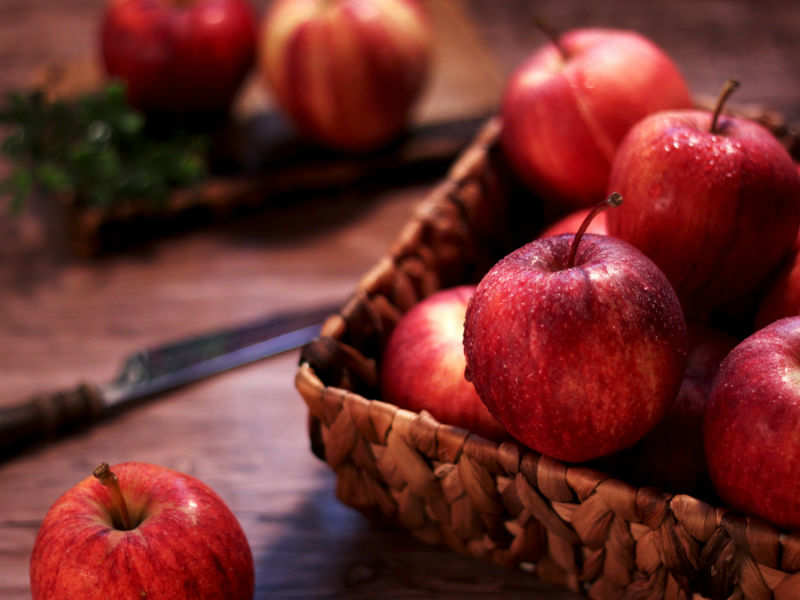
Polyphenols in apple peel show colitis potential: Mouse study

“Our results show that a natural product found in apple peels can suppress colonic inflammation by antagonizing inflammatory T cells to enhance resistance against autoimmune disease​,” affirmed Pascual.

https://www.nutraingredients.com/Article/2011/12/02/Polyphenols-in-apple-peel-show-colitis-potential-Mouse-study

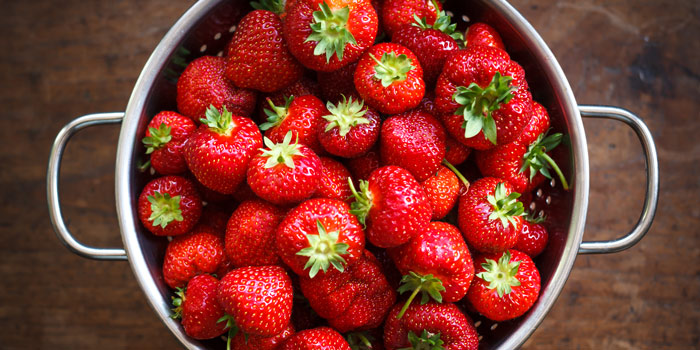
“Researchers at the University of Massachusetts have found that strawberries are not only delicious, rich in vitamins and low in calories — they can even help with inflammatory bowel diseases.”

The team of researchers led by Dr. Hang Xiao has tested the healing effect of strawberries on mice, some of which suffered from chronic intestinal inflammation. Some of the rodents were fed with freeze-dried strawberries. The result: Eating strawberries significantly suppressed symptoms like body weight loss and bloody diarrhea in mice with IBD. But decreased inflammation wasn’t the strawberry’s only benefit, the study showed. With IBD, the abundance of harmful bacteria increases, while levels of beneficial bacteria in the colon decrease. The researchers observed a reversal of that unhealthy microbiota composition in the sick mice after the rodents had been eating whole strawberries for a while.

https://www.dw.com/en/can-strawberries-help-cure-intestinal-inflammation/a-45156902

Dietary Supplementation with Fresh Pineapple Juice Decreases Inflammation and Colonic Neoplasia in IL-10-deficient Mice with Colitis

“These results demonstrate that long-term dietary supplementation with fresh or unpasteurized frozen pineapple juice with proteolytically active bromelain enzymes is safe and decreases inflammation severity and the incidence and multiplicity of inflammation-associated colonic neoplasia in this commonly used murine model of inflammatory bowel disease.”

https://www.ncbi.nlm.nih.gov/pmc/articles/PMC2991605/

A randomized trial of the effects of the no-carrageenan diet on ulcerative colitis disease activity

As I said in an earlier post, I avoid foods containing carrageenan and I think you should too.

CONCLUSION: Carrageenan intake contributed to earlier relapse in patients with ulcerative colitis in remission. Restriction of dietary carrageenan may benefit patients with ulcerative colitis.

https://www.ncbi.nlm.nih.gov/pmc/articles/PMC5389019/

Anti-inflammatory effects of freeze-dried black raspberry powder in ulcerative colitis.

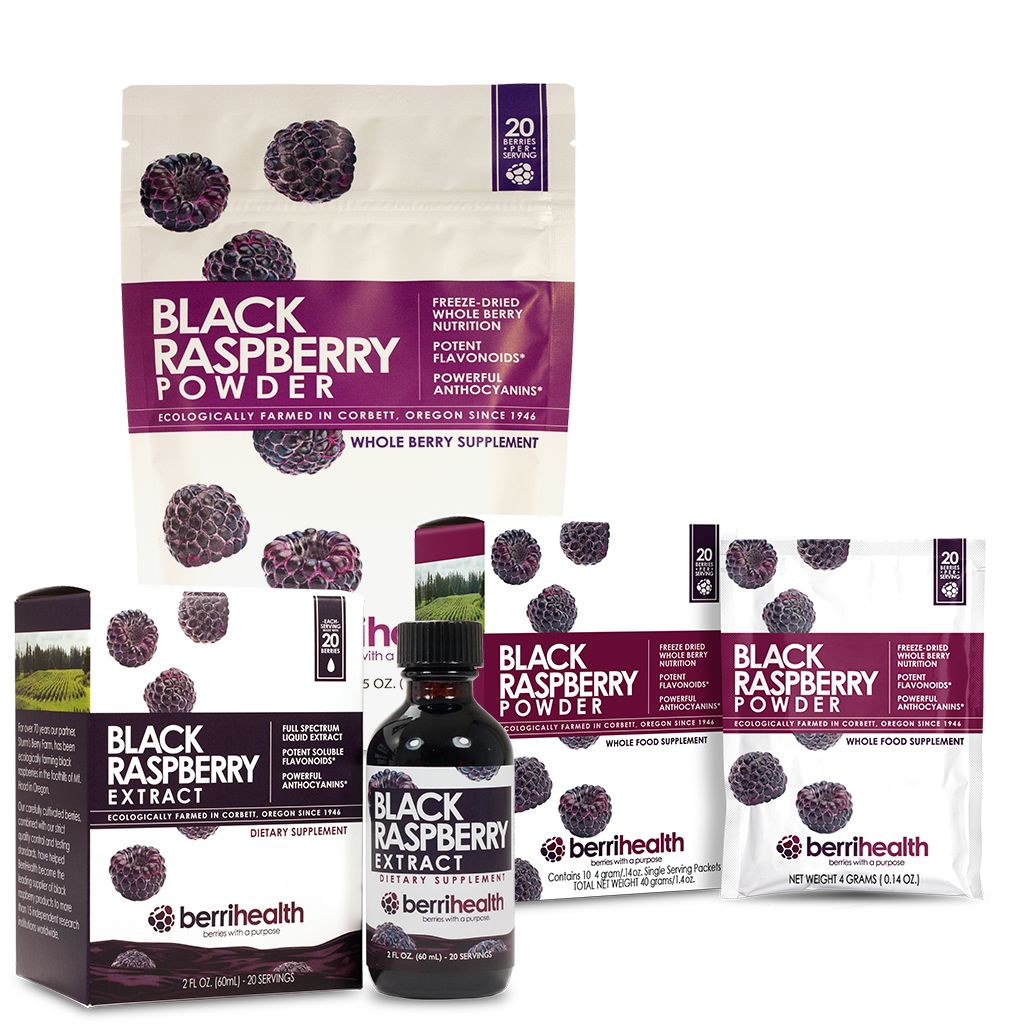
After coming across this research, I’ve incorporated Black Raspberry Powder into my smoothies. I use it in the event of a flare as part of my recovery. I order the BerriHealth product from Amazon. You can also get it directly from them: https://www.berrihealth.com/

“In summary, the present study demonstrates the efficacy of freeze-dried BRB to protect the colonic mucosa from the acute in- jury induced by DSS exposure. Further studies to assess the role of COX-2 suppression should provide insight into the mechanisms by which this effect occurs. Given the non-toxic nature of these natural food substances and their accessibility, these results provide support for the incorporation of freeze-dried BRB into therapeutic regimens for UC, which could reduce disease severity and associated colon cancer risk.

https://www.ncbi.nlm.nih.gov/pmc/articles/PMC3047236/pdf/bgq248.pdf

Foods that Commonly Include Carrageenan

Get in the habit of reading labels if you don’t already. If a product contains Carrageenan I DON’T eat it

  • almond milk

  • bakery products with glazes, frostings

  • beer

  • candy

  • canned fish, meats

  • chocolate milk mixes/powders

  • condensed milk

  • evaporated milk powders

  • cottage cheese

  • dietetic beverages

  • deli meat

  • frostings

  • gelled fruit snacks

  • ice cream, frozen custard and other frozen desserts

  • infant formulas

  • liquid coffee whitener

  • maple syrups

  • meal replacements

  • nutritional drinks

  • pie filling

  • processed meats, fish or cheese

  • pudding

  • ricotta cheese

  • soy milks

  • whipped cream

  • yogurt 

Food Ingredient to AVOID: Carrageenan

“UIC physician and professor Joanne Tobacman, has been looking at the health effects of carrageenan for more than a decade and is concerned enough to have petitioned the U.S. Food and Drug Administration in 2008 to prohibit the use of carrageenan in food. Her petition cited decades of publicly funded, peer-reviewed science — including her own — on carrageenan-induced inflammation in animals and cells. In June, the FDA responded with a letter of denial.Tobacman said “it was disappointing that, with such clear evidence about the effects of carrageenan on inflammation, the FDA did not restrict the use of carrageenan, particularly in infant formula.” Europe doesn’t allow the ingredient in formula….

…In 2001, Tobacman published a scientific review in a National Institute of Health journal suggesting that consumption of carrageenan in lab animals was associated with “intestinal ulcerations” and tumors. She concluded that the “widespread use of carrageenan in the Western diet should be reconsidered. Beyond the acute reaction it triggers in some, Tobacman said in a recent email, carrageenan may also promote low levels of chronic internal inflammation, a factor linked to common chronic disorders such as diabetes, atherosclerosis and arthritis…

The additive, which lends a uniform, creamy texture to food, can be found in soy milk, yogurt, ice cream, cheeses, some meats, diet soft drinks and even toothpaste.”

https://www.chicagotribune.com/lifestyles/ct-xpm-2013-03-18-ct-met-carrageenan-0318-20130318-story.html

Design a site like this with WordPress.com
Get started