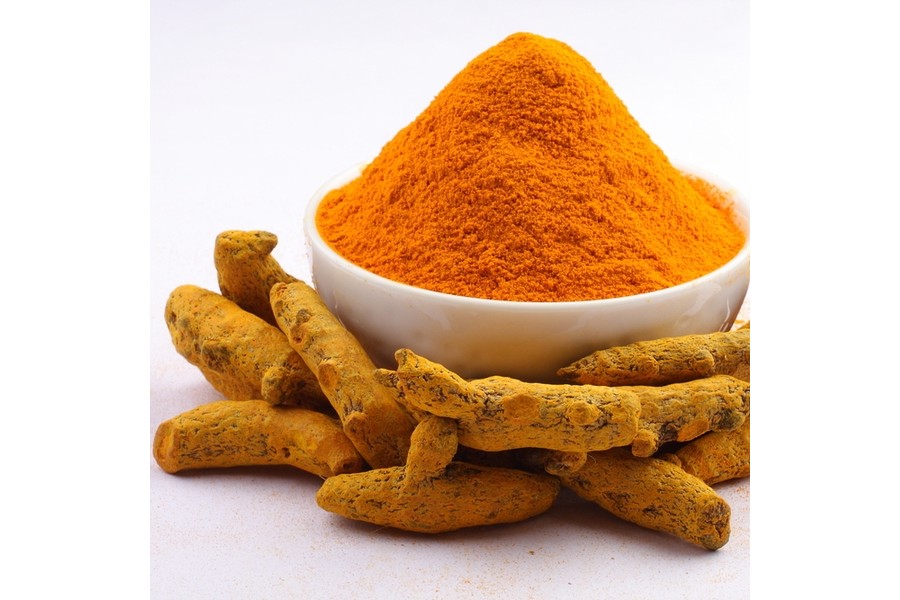
My Experience with Curcumin

Many years ago, a doctor, “my” gastro. at the time (who I liked, but I’ve moved away since then), suggested I give curcumin a try. Back then, as far as I know, there weren’t different formulations featuring variations intended to maximize delivery (e.g. black pepper, lipids, etc.).

The doctor warned that there might be side effects such as bright yellow urine and even a curry like odor. Still, I went ahead and grabbed a bottle from Whole Foods. After a few days, I did notice the atomic urine and my stomach felt unsettled and -what a shock – after three days I didn’t see any benefits so I stopped taking it.

I can’t remember what prompted me to look into it (curcumin) again a couple of years ago, besides looking to maximize anti-inflammatory food (and possibly, supplement) intake. Now that I’m thinking of it, it may have been prompted by an effort to avoid needing to take a biologic (and Anti-TNF) and while looking for foods that naturally lower TNF (something I don’t know anything about – I’m not a scientist), I learned that curcumin is Anti-TNF.

I then set out to research which type of curcumin would be best for colitis, since now days, there are different formulations (for example some cross the blood brain barrier and might be useful for say, Alzheimer’s and some do not). I also looked into what doses were used in medical studies.

Ultimately, I tried a couple of different kinds and started with the lowest dose at first and built up. The formula I settled on is Meriva which uses a lipid (sunflower oil) as a carrier to help the body absorb the curcumin. Other products use black pepper to increase potency but I read it can’t irritate your stomach. I also found research data indicating that certain formulations are more potent than others. If you refer to the study I linked above, you can see what dosages were used in research studies. Right now I use this and take two in the morning and one around dinner time: https://www.pureencapsulations.com/curcumasorb.html

Remember: I am not a doctor! I’m a colitis patient and this what I do with the knowledge of my doctor. Always ask your doctor before taking anything, including supplement.

What I do know is curcumin can thin your blood and potentially increase potency of meds. It has also been associated with anemia. I became anemic after a flare while taking high doses of curcumin. I don’t know if that was the reason but it’s important to be aware of this potential side effect among others, including kidney stones. I think I even read about someone who died from taking too much curcumin. So with anything med or supplement, proceed with caution and consult your doctor.

Anecdotally, my colitis symptoms seem to have improved (less frequent flares, inflammation more mild overall) since I’ve been taking it (for at least 2 years now). Ask your own doctor if it’s something you want to explore for yourself.

And… a “shout out” to the gastro. from years back who first mentioned curcumin to me. In hindsight, I wish I’d have stuck with it longer than a few days!

The difference though, is back then, there was pretty much just one formula, nothing like Meriva another innovations that we have now, so the body could just not process it well – or make use of it. Now, as numerous legit. evidenced based studies show, such as those that I’ve linked to above, there are different curcumin products that appear promising for various ailments, including colitis.

Gut Microbial Flora, Prebiotics, and Probiotics in IBD: Their Current Usage and Utility

Gut microbiota plays a crucial role in triggering, maintaining, and exacerbating IBD. Specific microbes can be overrepresented in IBD while others seem to be protective. A decrease in microbial biodiversity has been found in mucosa and feces of IBD patients, together with an increase of fungi. Pre- and probiotics could represent a valid armamentarium to modulate gut microbiota and, probably, to cure IBD. Current evidences, however, show a clear clinical efficacy of some families of probiotics only in pouchitis and ulcerative colitis but not in Crohn’s disease. This efficacy has been prevalently associated to mild disease and seems to have a better role in maintenance of remission compared to induction of remission. Further studies are necessary to better characterize the exact role of probiotics in IBD, their specific mechanisms of actions, including a direct effect on mucosal homeostasis or healing. Since probiotics are becoming a legitimate therapeutic option, it is necessary to determine which probiotic strains have the greatest efficacy, whether they are more effective alone, or in conjunction with other pro- or prebiotics, and what is their half-life in the gastrointestinal tract. On the base of these data, frequency of administration and dose could be exactly calculated.

https://www.ncbi.nlm.nih.gov/pmc/articles/PMC3749555/

Curcumin, the ultimate anti-TNF?

Source (link below) – British Journal of Pharmacology:

“TNFs are major mediators of inflammation and inflammation-related diseases, hence, the United States Food and Drug Administration (FDA) has approved the use of blockers of the cytokine, TNF-α, for the treatment of osteoarthritis, inflammatory bowel disease, psoriasis and ankylosis. These drugs include the chimeric TNF antibody (infliximab), humanized TNF-α antibody (Humira) and soluble TNF receptor-II (Enbrel) and are associated with a total cumulative market value of more than $20 billion a year. As well as being expensive ($15 000–20 000 per person per year), these drugs have to be injected and have enough adverse effects to be given a black label warning by the FDA. In the current report, we describe an alternative, curcumin (diferuloylmethane), a component of turmeric (Curcuma longa) that is very inexpensive, orally bioavailable and highly safe in humans, yet can block TNF-α action and production in in vitro models, in animal models and in humans. In addition, we provide evidence for curcumin’s activities against all of the diseases for which TNF blockers are currently being used. Mechanisms by which curcumin inhibits the production and the cell signalling pathways activated by this cytokine are also discussed. With health-care costs and safety being major issues today, this golden spice may help provide the solution…

…Overall, all these studies suggest that curcumin can suppress pro-inflammatory pathways linked with most chronic diseases. It can block both the production and the action of TNF. Curcumin also binds to TNF directly. Evidence for curcumin as a TNF blocker has been obtained in both in vitro and in vivo studies. However, only a few studies have demonstrated that curcumin is effective at inhibiting TNF production in humans. Unlike most other TNF blockers, curcumin can be given orally. In addition, it is quite safe and affordable. However, more studies are needed in humans to prove that curcumin has the ability to be an effective treatment of various pro-inflammatory conditions.”

https://www.ncbi.nlm.nih.gov/pmc/articles/PMC3753829/

Use of the ‘nutriceutical’, bovine colostrum, for the treatment of distal colitis: results from an initial study

colostral preparation is able to stimulate remission/repair in a true clinical setting expands on previous in vitro and animal model studies and has direct therapeutic relevance.”

https://onlinelibrary.wiley.com/doi/full/10.1046/j.1365-2036.2002.01354.x

Supplemental Calcium Attenuates the Colitis-Related Increase in Diarrhea, Intestinal Permeability…

Abstract

We have shown in several controlled rat and human infection studies that dietary calcium improves intestinal resistance and strengthens the mucosal barrier. Reinforcement of gut barrier function may alleviate inflammatory bowel disease (IBD). Therefore, we investigated the effect of supplemental calcium on spontaneous colitis development in an experimental rat model of IBD. HLA-B27 transgenic rats were fed a purified high-fat diet containing either a low or high calcium concentration (30 and 120 mmol CaHPO4/kg diet, respectively) for almost 7 wk. Inert chromium EDTA (CrEDTA) was added to the diets to quantify intestinal permeability by measuring urinary CrEDTA excretion. Relative fecal wet weight was determined to quantify diarrhea. Colonic inflammation was determined histologically and by measuring mucosal interleukin (IL)-1β. In addition, colonic mucosal gene expression of individual rats was analyzed using whole-genome microarrays. The calcium diet significantly inhibited the increase in intestinal permeability and diarrhea with time in HLA-B27 rats developing colitis compared with the control transgenic rats. Mucosal IL-1β levels were lower in calcium-fed rats and histological colitis scores tended to be lower (P = 0.08). Supplemental calcium prevented the colitis-induced increase in the expression of extracellular matrix remodeling genes (e.g. matrix metalloproteinases, procollagens, and fibronectin), which was confirmed by quantitative real-time PCR and gelatin zymography. In conclusion, dietary calcium ameliorates several important aspects of colitis severity in HLA-B27 transgenic rats. Reduction of mucosal irritation by luminal components might be part of the mechanism. These results show promise for supplemental calcium as effective adjunct therapy for IBD.

https://academic.oup.com/jn/article/139/8/1525/4670507

Anti-inflammatory Properties of Curcumin…: A Review of Preclinical and Clinical Research

From: http://www.altmedrev.com/archive/publications/14/2/141.pdf

“…Another clinical trial was conducted to assess the efficacy of curcumin as a maintenance therapy in 82 patients with quiescent UC. Subjects were randomized to receive 1 g curcumin twice daily plus sulfasalazine or mesalamine (n=43), or placebo plus sulfasalazine or mesalamine (n=39) for six months. Subjects were assessed at baseline, every two months for six months, and again at the end of a six-month follow-up period via the Clinical Activity Index (CAI) and Endoscopic Index (EI). Only two of 43 patients (4.7%) receiving curcumin plus sulfasalazine/mesalamine experienced a relapse during the six-month study, compared to eight of 39 subjects (20.5%) in the placebo plus sulfasalazine/ mesalamine group. Subjects in the curcumin group also demonstrated significant improvement in CAI (p=0.038) and EI scores (p=0.001), indicating a de- crease in UC-associated morbidity. Interestingly, at the end of the six-month follow-up period, during which all patients took only sulfasalazine or mesalamine, eight additional patients from the curcumin group relapsed (total of 23.3%) compared to six additional patients in the placebo group (total of 35.9%). The authors concluded that curcumin plus standard therapy was more effective in maintaining remission than placebo plus standard UC treatment.”

Design a site like this with WordPress.com
Get started