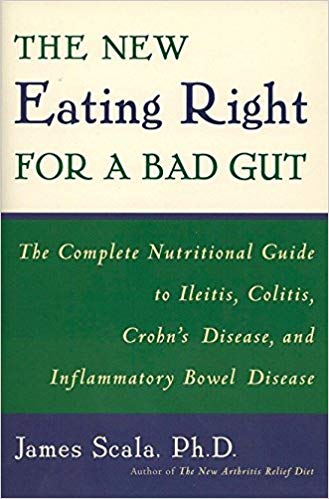
Even if you’re an IBD vet., this book is filled with useful info. – the difference between insoluble and soluble fiber and how to put together a diet that minimizes vs. maximizes inflammation. The concept of breaking down the “fiber matrix” is great too (e.g. frozen veg., cooking/peeling veggies.).
If you have IBD, this is something you should know about. I try to avoid high sulfur foods (list forthcoming) in favor of low-sulfur ones.
A common theme of this blog (and my health efforts) that I urge you to consider for yourself (in whatever way makes sense for you) is to eat things that support the gut lining and a healthy microbiome, and that reduce inflammation. And avoid foods/ingredients that degrade the microbiome, increase intestinal permeability (and/or damage the intestines), and cause inflammation.
My hope is that this blog will serve as a resource that helps you discern what these foods/ingredients are (backed by science and evidence).
“In astudy paperthat now features in the journalCell Reports, they describe how, compared with water-only fasting, periodic 4-day cycles of the fasting-mimicking diet “partially reversed” hallmarks of IBD in the mice.“
“…colostral preparation is able to stimulate remission/repair in a true clinical setting expands on previousin vitroand animal model studies and has direct therapeutic relevance.”
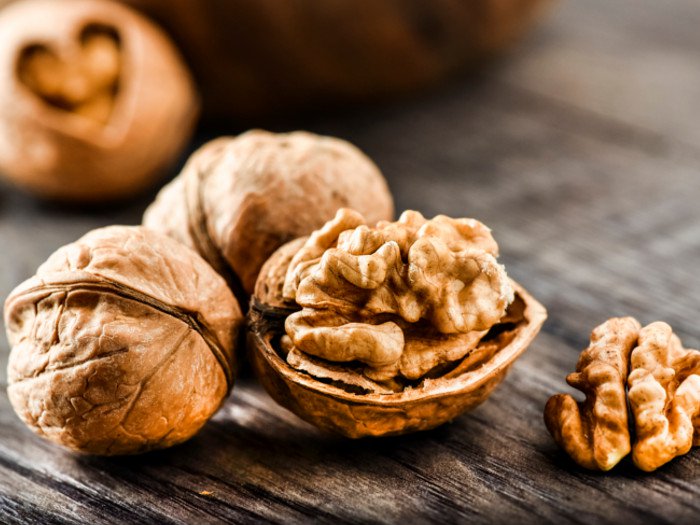
“We found that walnuts in the diet increased the diversity of bacteria in the gut, and other non-related studies have associated less bacterial diversity with obesity and other diseases like inflammatory bowel disease,” says Byerley. “Walnuts increased several bacteria, like Lactobacillus, typically associated with probiotics suggesting walnuts may act as a prebiotic.”
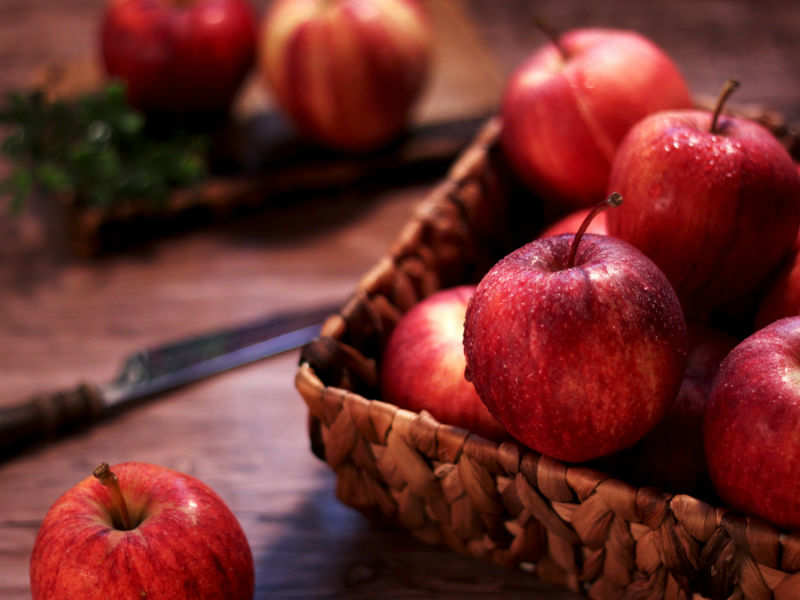
“Our results show that a natural product found in apple peels can suppress colonic inflammation by antagonizing inflammatory T cells to enhance resistance against autoimmune disease,” affirmed Pascual.
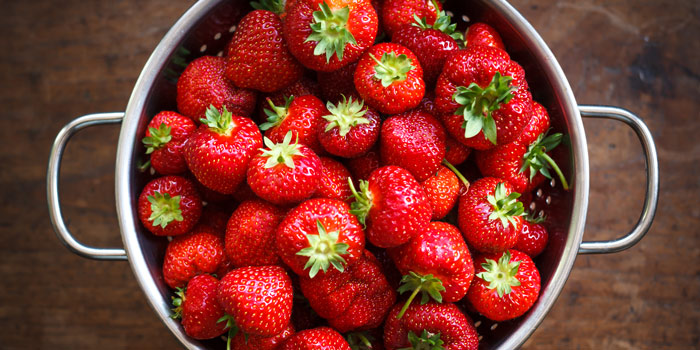
The team of researchers led by Dr. Hang Xiao has tested the healing effect of strawberries on mice, some of which suffered from chronic intestinal inflammation. Some of the rodents were fed with freeze-dried strawberries. The result: Eating strawberries significantly suppressed symptoms like body weight loss and bloody diarrhea in mice with IBD. But decreased inflammation wasn’t the strawberry’s only benefit, the study showed. With IBD, the abundance of harmful bacteria increases, while levels of beneficial bacteria in the colon decrease. The researchers observed a reversal of that unhealthy microbiota composition in the sick mice after the rodents had been eating whole strawberries for a while.
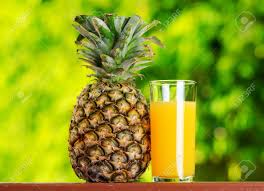
“These results demonstrate that long-term dietary supplementation with fresh or unpasteurized frozen pineapple juice with proteolytically active bromelain enzymes is safe and decreases inflammation severity and the incidence and multiplicity of inflammation-associated colonic neoplasia in this commonly used murine model of inflammatory bowel disease.”
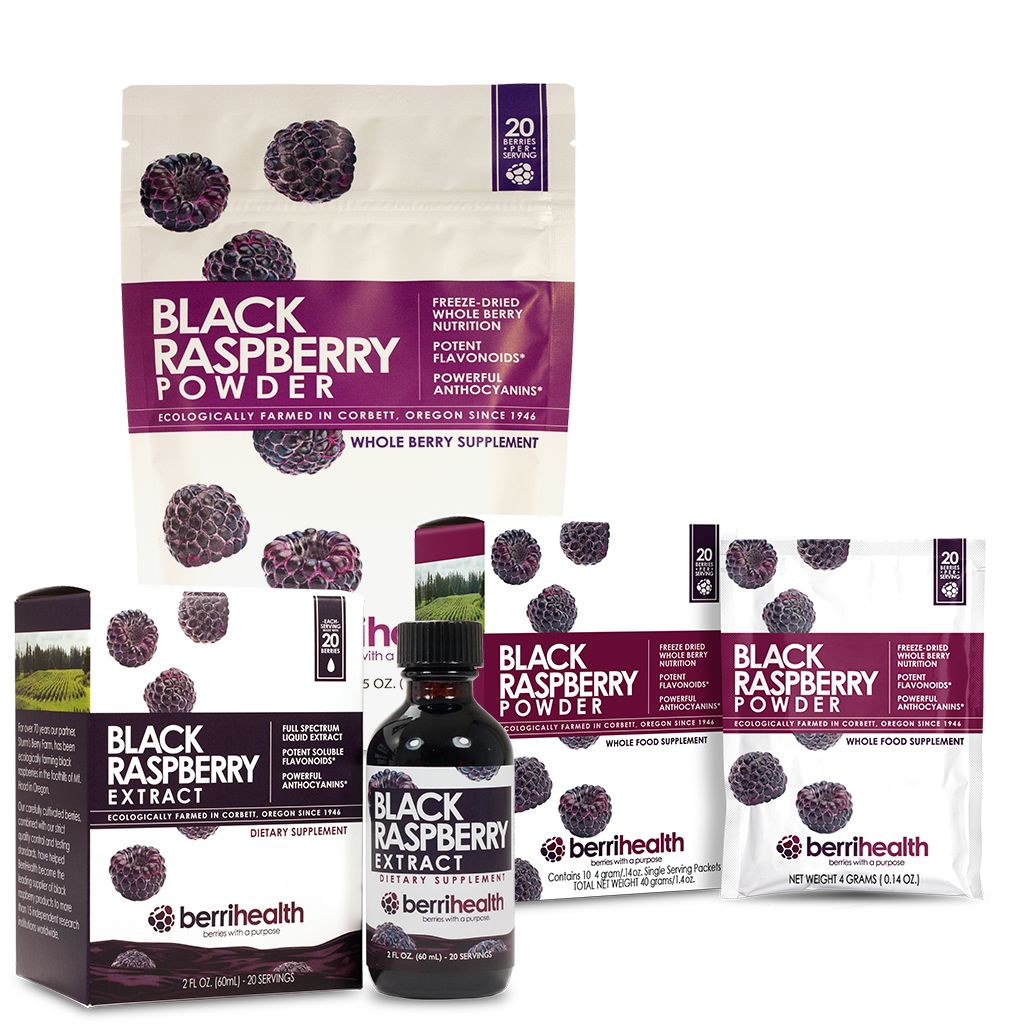
After coming across this research, I’ve incorporated Black Raspberry Powder into my smoothies. I use it in the event of a flare as part of my recovery. I order the BerriHealth product from Amazon. You can also get it directly from them: https://www.berrihealth.com/
“In summary, the present study demonstrates the efficacy of freeze-dried BRB to protect the colonic mucosa from the acute in- jury induced by DSS exposure. Further studies to assess the role of COX-2 suppression should provide insight into the mechanisms by which this effect occurs. Given the non-toxic nature of these natural food substances and their accessibility, these results provide support for the incorporation of freeze-dried BRB into therapeutic regimens for UC, which could reduce disease severity and associated colon cancer risk.”
 The Colitist