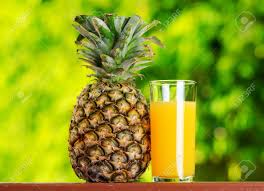
Dietary Supplementation with Fresh Pineapple Juice Decreases Inflammation and Colonic Neoplasia in IL-10-deficient Mice with Colitis

“These results demonstrate that long-term dietary supplementation with fresh or unpasteurized frozen pineapple juice with proteolytically active bromelain enzymes is safe and decreases inflammation severity and the incidence and multiplicity of inflammation-associated colonic neoplasia in this commonly used murine model of inflammatory bowel disease.”

https://www.ncbi.nlm.nih.gov/pmc/articles/PMC2991605/

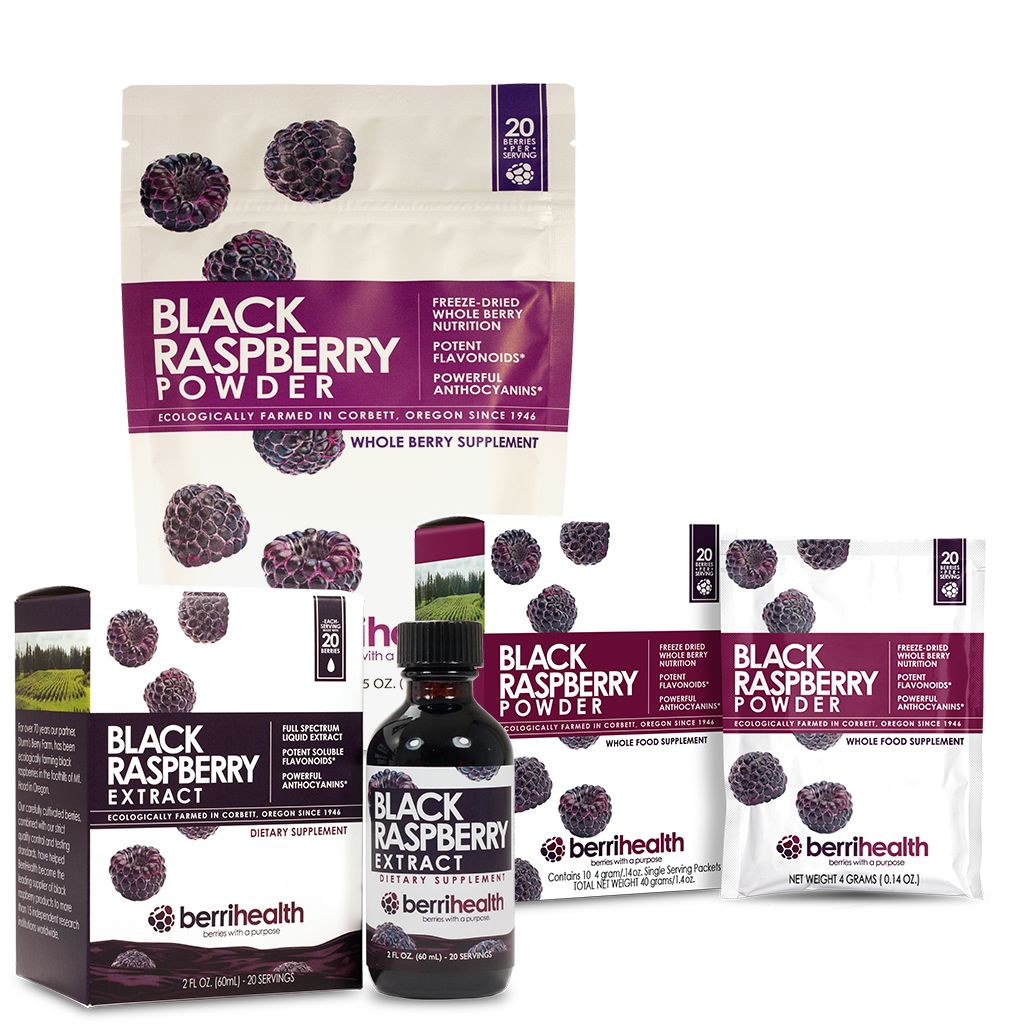
Anti-inflammatory effects of freeze-dried black raspberry powder in ulcerative colitis.

After coming across this research, I’ve incorporated Black Raspberry Powder into my smoothies. I use it in the event of a flare as part of my recovery. I order the BerriHealth product from Amazon. You can also get it directly from them: https://www.berrihealth.com/

“In summary, the present study demonstrates the efficacy of freeze-dried BRB to protect the colonic mucosa from the acute in- jury induced by DSS exposure. Further studies to assess the role of COX-2 suppression should provide insight into the mechanisms by which this effect occurs. Given the non-toxic nature of these natural food substances and their accessibility, these results provide support for the incorporation of freeze-dried BRB into therapeutic regimens for UC, which could reduce disease severity and associated colon cancer risk.

https://www.ncbi.nlm.nih.gov/pmc/articles/PMC3047236/pdf/bgq248.pdf

Parboiled Germinated Brown Rice?

Abstract

“Parboiled germinated brown rice (PGBR) has been suggested as a functional food because it is relatively rich in a number of nutrients and health promoting compounds. Here we compared the bioaccessibility of several of the bioactive compounds in cooked PGBR and brown rice (BR) by simulating oral, gastric and small intestinal digestion. The uptake and retention of bioactive compounds from a bioaccessible fraction also was determined using Caco-2 human intestinal cells. The anti-inflammatory activity of the bioaccessible fraction from digested BR and PGBR was then assessed with Caco-2 cells that were activated with H2O2 + IL-1β. PGBR had a higher content of GABA, γ-oryzanol, γ-tocotrienol, ferulic acid and p-coumaric acid than BR. The amounts of these compounds transferred to the aqueous fraction during digestion and the quantities accumulated by Caco-2 cells were proportional to those in cooked PGBR and BR. The anti-inflammatory activity of the bioaccessible fraction from digested BR and PGBR was then assessed for Caco-2 cells that were activated with H2O2 + IL-1β. Pre-treatment of the cells with the bioaccessible fractions from PGBR and BR suppressed the secretion of IL-8 and MCP-1 and the ROS content in activated cells. Inhibitory activities were attenuated to a greater extent after cells had been pre-exposed to the bioaccessible fraction from digested PGBR compared to BR. These results suggest that digested PGBR contains and delivers greater amounts of compounds with anti-inflammatory activity to absorptive epithelial cells than digested BR.

https://www.ncbi.nlm.nih.gov/pubmed/25811291

Anti-inflammatory Properties of Curcumin…: A Review of Preclinical and Clinical Research

From: http://www.altmedrev.com/archive/publications/14/2/141.pdf

“…Another clinical trial was conducted to assess the efficacy of curcumin as a maintenance therapy in 82 patients with quiescent UC. Subjects were randomized to receive 1 g curcumin twice daily plus sulfasalazine or mesalamine (n=43), or placebo plus sulfasalazine or mesalamine (n=39) for six months. Subjects were assessed at baseline, every two months for six months, and again at the end of a six-month follow-up period via the Clinical Activity Index (CAI) and Endoscopic Index (EI). Only two of 43 patients (4.7%) receiving curcumin plus sulfasalazine/mesalamine experienced a relapse during the six-month study, compared to eight of 39 subjects (20.5%) in the placebo plus sulfasalazine/ mesalamine group. Subjects in the curcumin group also demonstrated significant improvement in CAI (p=0.038) and EI scores (p=0.001), indicating a de- crease in UC-associated morbidity. Interestingly, at the end of the six-month follow-up period, during which all patients took only sulfasalazine or mesalamine, eight additional patients from the curcumin group relapsed (total of 23.3%) compared to six additional patients in the placebo group (total of 35.9%). The authors concluded that curcumin plus standard therapy was more effective in maintaining remission than placebo plus standard UC treatment.”
Curcumin: an orally bioavailable blocker of TNF and other pro-inflammatory biomarkers

 “Blocker of TNF.” My understanding is that is the objective of Humira and other Biologics.  

https://www.ncbi.nlm.nih.gov/pmc/articles/PMC3753829

“…curcumin appears to be a promising and safe medication for maintaining remission in patients with quiescent UC. These two small studies have shown promising results for IBD. Seventhly, orally administered curcumin was found to have a therapeutic effect against colorectal cancer.”

Design a site like this with WordPress.com
Get started