My Experience with Curcumin

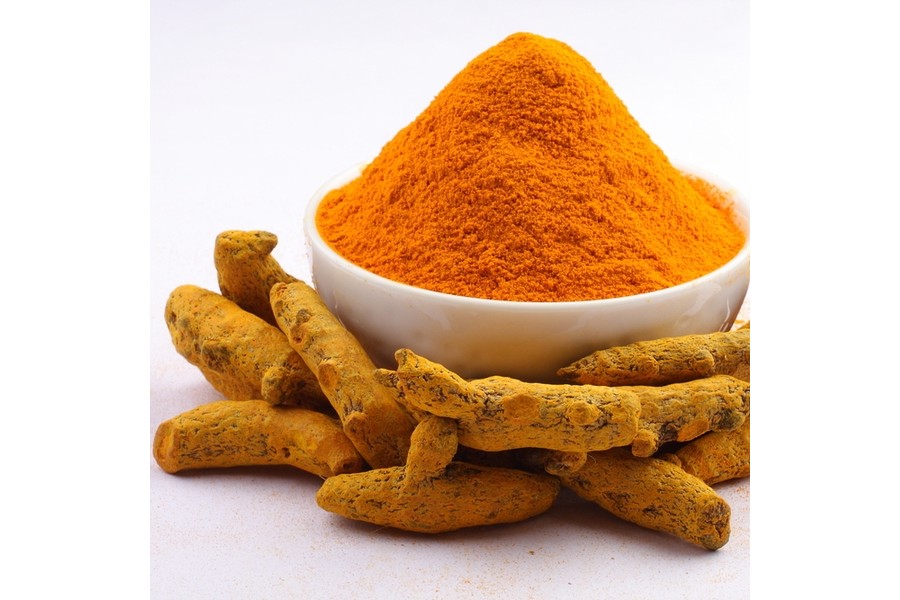
Many years ago, a doctor, “my” gastro. at the time (who I liked, but I’ve moved away since then), suggested I give curcumin a try. Back then, as far as I know, there weren’t different formulations featuring variations intended to maximize delivery (e.g. black pepper, lipids, etc.).

The doctor warned that there might be side effects such as bright yellow urine and even a curry like odor. Still, I went ahead and grabbed a bottle from Whole Foods. After a few days, I did notice the atomic urine and my stomach felt unsettled and -what a shock – after three days I didn’t see any benefits so I stopped taking it.

I can’t remember what prompted me to look into it (curcumin) again a couple of years ago, besides looking to maximize anti-inflammatory food (and possibly, supplement) intake. Now that I’m thinking of it, it may have been prompted by an effort to avoid needing to take a biologic (and Anti-TNF) and while looking for foods that naturally lower TNF (something I don’t know anything about – I’m not a scientist), I learned that curcumin is Anti-TNF.

I then set out to research which type of curcumin would be best for colitis, since now days, there are different formulations (for example some cross the blood brain barrier and might be useful for say, Alzheimer’s and some do not). I also looked into what doses were used in medical studies.

Ultimately, I tried a couple of different kinds and started with the lowest dose at first and built up. The formula I settled on is Meriva which uses a lipid (sunflower oil) as a carrier to help the body absorb the curcumin. Other products use black pepper to increase potency but I read it can’t irritate your stomach. I also found research data indicating that certain formulations are more potent than others. If you refer to the study I linked above, you can see what dosages were used in research studies. Right now I use this and take two in the morning and one around dinner time: https://www.pureencapsulations.com/curcumasorb.html

Remember: I am not a doctor! I’m a colitis patient and this what I do with the knowledge of my doctor. Always ask your doctor before taking anything, including supplement.

What I do know is curcumin can thin your blood and potentially increase potency of meds. It has also been associated with anemia. I became anemic after a flare while taking high doses of curcumin. I don’t know if that was the reason but it’s important to be aware of this potential side effect among others, including kidney stones. I think I even read about someone who died from taking too much curcumin. So with anything med or supplement, proceed with caution and consult your doctor.

Anecdotally, my colitis symptoms seem to have improved (less frequent flares, inflammation more mild overall) since I’ve been taking it (for at least 2 years now). Ask your own doctor if it’s something you want to explore for yourself.

And… a “shout out” to the gastro. from years back who first mentioned curcumin to me. In hindsight, I wish I’d have stuck with it longer than a few days!

The difference though, is back then, there was pretty much just one formula, nothing like Meriva another innovations that we have now, so the body could just not process it well – or make use of it. Now, as numerous legit. evidenced based studies show, such as those that I’ve linked to above, there are different curcumin products that appear promising for various ailments, including colitis.

“Navy and black bean supplementation primes the colonic mucosal microenvironment to improve gut health.”

“Interestingly, biomarkers of colon barrier integrity (crypt height, mucus content, cell proliferation and goblet cell number) were enhanced in BB vs. NB-fed mice, suggesting added benefits attributable to unique BB components (e.g., phenolics). Overall, NB and BB improved baseline colonic microenvironment function by altering the microbial community structure and activity and promoting colon barrier integrity and function; effects which may prove beneficial in attenuating gut-associated diseases.”

https://www.ncbi.nlm.nih.gov/pubmed/28915390

“Blueberry Husks and Probiotics Attenuate Colorectal Inflammation…”

“In conclusion, DAI was significantly decreased by blueberry husks administered solely or along with probiotics. The use of blueberry husks alone or in association with probiotics reduced the number of dysplastic lesions and mucosal ulcers. The probiotic mixture could decrease the load of faecal Enterobacteriaceae and increase that of lactobacilli. The colonic epithelium of groups given the high dose of blueberry, with or without probiotics, was less affected. In the same groups, haptoglobin levels were decreased. Furthermore, the probiotic mixture seems to provide protection against hepatic damage. Our data indicates a therapeutic option for use of blueberry husks and probiotics to delay colonic carcinogenesis and the subsequent hepatic damage, at least in the applied animal model.”

https://www.ncbi.nlm.nih.gov/pmc/articles/PMC3311639/

Stewed Healing Apples, butyrate: repairing the gut lining (apple recipe and a great scientific explanation of why it works)

In one of my first posts on this blog I took about some core aspects of my approach to getting into / staying in remission – two of these are restoring/supporting a healthy microbiome (avoid food and ingredients that degrade it + consume what supports it), and likewise with the gut lining. For instance, I was never a big drinker but after my last flare over a year ago, I quit drinking totally since alcohol degrades the microbiome. Some beers also contain carrageenan which is also something UC’ers (and everyone perhaps) should avoid (I posted on this earlier as well).

Please see the full recipe / scientific rationale here (and download your PDF here) – thank you Michael Ash (who I don’t know) for his efforts.

Is this a Perfect Functional Meal for Mucosal Tolerance?

Stewed Healing Apples and Immune CofactorsRecipe (c/o Michael Ash)

Ingredients for primary stage* 6 Bramley cooking apples (or apples of choice preferably grown organically)

* 1/2 cup water

* 1/2 cup raisins/sultanas (for added sweetness and fibre)

* 2 tsp. cinnamon DirectionsPeel and core the apples and chop them into small evenly sized pieces.Put all the ingredients in a covered, heavy-bottomed pan and cook for about 15 minutes, stirring regularly. Cook until soft with rough shapes, no longer identifiable as apple slices. The colour should be a russet brown with the cinnamon effect.These may be eaten warm, or cold. I suggest making up as many ramekins (sized to hold 1 – 1.5 apple equivalent in each and covered and put in the fridge for easy recovery and to avoid food deviation due to lack of availability and so maintain compliance.Ingredients for secondary stage

* 1 tsp. of larch arabinogalactans stirred into the apple to add sweetness – if required

* 1 Saccharomyces Boulardii 250mg capsule sprinkled on the top – or swallowed separately * 1 mix of Bifidobacteria (mixed strains) (500mg) 5billion CFU sprinkled on top – or swallowed separately

* 1 x LGG sprinkled on top – or swallowed separately

* ½ container of organic natural yogurt (dairy) or soy equivalent approx. 75mg * Add 6-8 blueberries and 4-5 almonds in their skins * Finally, if required, a teaspoon of Manuka honey

Bilberries for UC?

“Anthocyanin-rich bilberry preparation Anthocyanins, which can be found in large quantities in bilberries (Vaccinium myrtillus) were shown to have antioxidative and anti-inflammatory effects. In the only available study Biedermann et al [13] explored the possible therapeutic potential of bilberries in active UC. Thirteen patients with mild to moderate UC were treated with a daily standardized anthocyanin-rich bilberry preparation for 9 weeks. At the end of the 6th week 63.4% of patients achieved remission and 90.9% showed a response. A significant decrease in the Mayo score was also detected in all patients. Interestingly, the fecal calprotectin levels significantly decreased during treatment phase although an increase in the calprotectin levels and disease activity was observed after cessation of bilberry intake. No serious adverse events were observed. The results clearly indicate a therapeutic potential of bilberries in UC ” https://www.ncbi.nlm.nih.gov/pubmed/22883440

IBD: A low-calorie plant diet relieves inflammation, repairs gut

In a study paper that now features in the journal Cell Reports, they describe how, compared with water-only fasting, periodic 4-day cycles of the fasting-mimicking diet “partially reversed” hallmarks of IBD in the mice.

https://www.medicalnewstoday.com/articles/324634.php

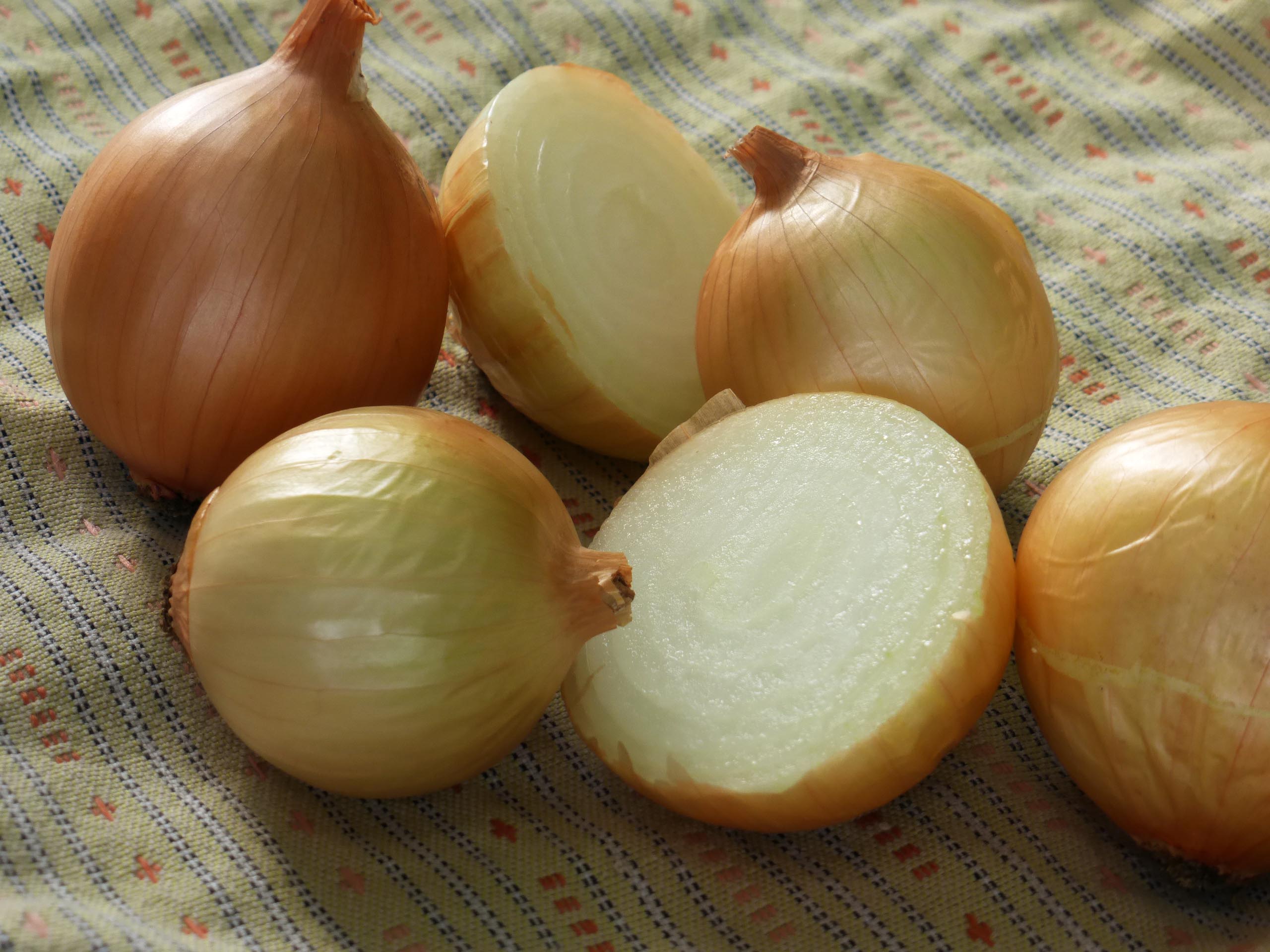
Onion bulb extract reduces colitis severity in mice

“OBE showed anti-inflammatory actions in IBD mouse model, which is attributed, in part, to the modulation of the expression and the activity of important pro-inflammatory molecules and signaling pathways involved in the inflammatory response. These data suggest that OBE may be a promising lead in the therapeutic management of IBD.” https://www.sciencedirect.com/science/article/pii/S0378874119302260?via%3Dihub

Vagus Nerve Stimulation Dramatically Reduces Inflammation

“Vagusstoff (acetylcholine) is like a tranquilizer that you can self-administer simply by taking a few deep breaths with long exhales. Consciously tapping into the power of your vagus nerve can create a state of inner-calm while taming your inflammation reflex.”

https://www.psychologytoday.com/us/blog/the-athletes-way/201607/vagus-nerve-stimulation-dramatically-reduces-inflammation

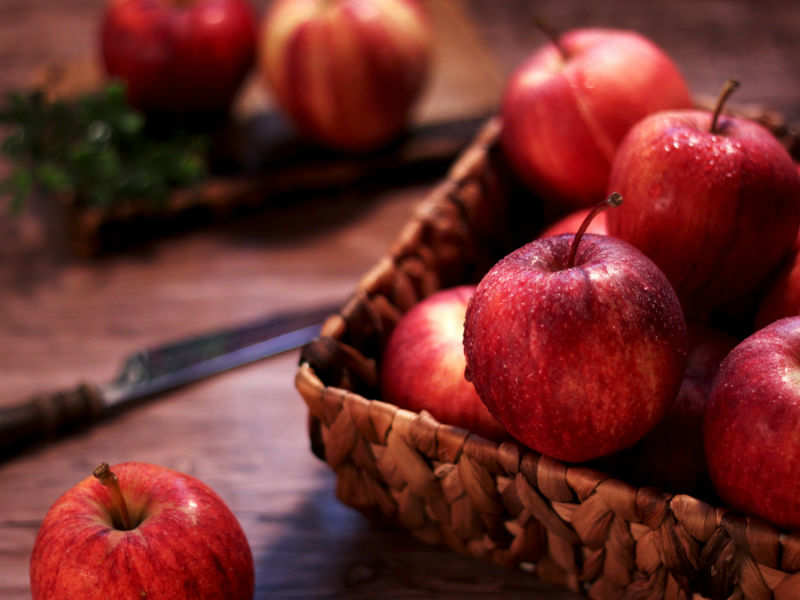
Polyphenols in apple peel show colitis potential: Mouse study

“Our results show that a natural product found in apple peels can suppress colonic inflammation by antagonizing inflammatory T cells to enhance resistance against autoimmune disease​,” affirmed Pascual.

https://www.nutraingredients.com/Article/2011/12/02/Polyphenols-in-apple-peel-show-colitis-potential-Mouse-study

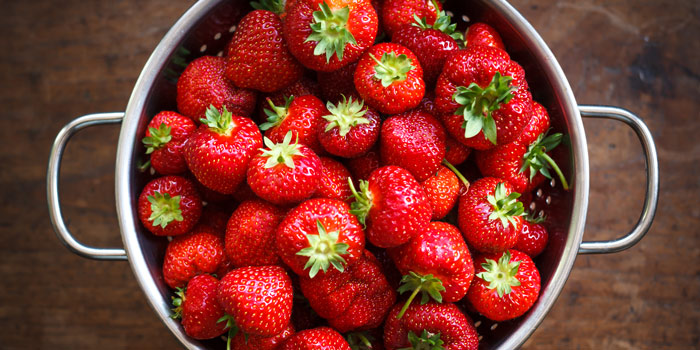
“Researchers at the University of Massachusetts have found that strawberries are not only delicious, rich in vitamins and low in calories — they can even help with inflammatory bowel diseases.”

The team of researchers led by Dr. Hang Xiao has tested the healing effect of strawberries on mice, some of which suffered from chronic intestinal inflammation. Some of the rodents were fed with freeze-dried strawberries. The result: Eating strawberries significantly suppressed symptoms like body weight loss and bloody diarrhea in mice with IBD. But decreased inflammation wasn’t the strawberry’s only benefit, the study showed. With IBD, the abundance of harmful bacteria increases, while levels of beneficial bacteria in the colon decrease. The researchers observed a reversal of that unhealthy microbiota composition in the sick mice after the rodents had been eating whole strawberries for a while.

https://www.dw.com/en/can-strawberries-help-cure-intestinal-inflammation/a-45156902

Design a site like this with WordPress.com
Get started